Explanation of the Uposatha Discourse: Questions and Answers
[NOTE: The
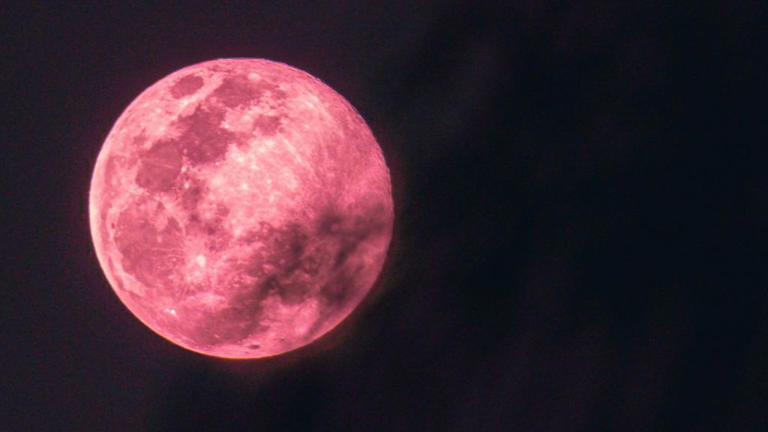
uposatha ("sabbath" or "fasting day lunar observance") is based on the phases of the moon (new moon, quarter moon, half moon, full moon, each a week apart), using the universal sky calendar everyone can see to divide time on earth before literacy and numeracy, paper and phones did it for us. It is special because practitioners undertake Eight Precepts. What are they, and how are they upheld? It did not begin with the Buddha, but he revived the tradition, recommended it, and explained it in detail. Here are those explanations.]
- What does the word Uposatha mean?
It means the day of observance (by fasting from noon until the next and taking on the Eight Precepts rather than the usual five).
- What are the Eight Precepts of Uposatha in brief?
The Eight Precepts are to
- refrain from killing
- refrain from stealing
- refrain from sexual intercourse
- refrain from false speech
- refrain from intoxicants.
- refrain from eating food from noon to the following morning
- refrain from singing, dancing, watching entertainments, and to refrain from using ornaments, cosmetics, and perfumes
- refrain from sitting or lying on large or luxurious seats and beds.
- Is this discourse similar in meaning to the paccavekkhana which lay Buddhist chant every dhammassavana day in the afternoon?
Yes. When one knows the meaning of what is being chanted, and at the time of chanting concentrates on the meaning, it will make one's mind calm and wholesome and be of great benefit. Perhaps this practice will lead the practitioner to a momentary release from the Five Hindrances (tadangapahana).
- Can this be considered as practicing sila-anussati (reflection on virtue)?
Yes.
- Briefly, how many ways are there of breaking the Eight Lunar Observance Precepts?

There are two ways, by body and by speech. In all of the eight, if one breaks a precept, then it is done bodily. If one orders another to do so, then the precept is broken through speech.
Not that this (speech) must be accompanied by intention before the precept is broken, but this is true for the first and second precepts only.
For the third to the eighth precept, even if one asks another to do so, one does not break the precept.
Breaking a precept through one's own effort is known as sahatthikapayoga. The ordering of another to behave in a way that breaks a precept is called anattikapayoga.
Thus, one who is careful and does not stray from the precepts is known as a "virtuous person." The wise say that sila (virtue, morality, wholesome conduct, merit = keeping precepts) is an instrument by which body and speech can be purified.
It is a way to vanquish the coarse defilements, which appear through body and speech.
- Considering all of the Lunar Observance precepts, (in going against them) how many faults are there and what are they?
The first is called lokavajja [2], or worldly fault, which lay Buddhists should avoid. The second is called paññativajja.
Whether people observe the precepts or not, when they do something that goes against any of the first Five Precepts, it is known as lokavajja. It will be a personal loss and will be something the world condemns (lokavajja).
As for the other three precepts, if they are broken it is called paññativajja. This occurs when one intends to break the rule. If there is no intention to break the rule, then no fault results.
- How many types of peril (in breaking the precepts) are there, and what are they?
There are two types, causing peril (vera) and not causing peril.
The breaking of any of the first five precepts brings about peril for the breaker. That is to say, the fruit of such actions will follow one, resulting in, for example, a short life. In the breaking of any of the other three precepts, there is no peril.
- In the first precept it is stated that one has laid down clubs and weapons. What does this mean?
It simply means that one has given up the taking of life and that one is not a killer. For example, if killing is done with instruments (weapons), if a person lays down or throws away those instruments, then the killing does not take place.
According to this discourse, weapons are of two types, dull and sharp. If the instrument is blunt, then it would come under the category of "club." If the instrument is sharp, it comes under the "sword" category. There is such a wide range of instruments used for killing, but in brief there are two types, sharp and unsharp.
The fifth precept deals with intoxicants (sura and meraya).
- How many types of intoxicants are there, and what are they?
There are ten types of intoxicants, five sura and five meraya. Alcohol (sura, brew, beer, rotgut, etc.)
- made from flour
- made from sweets
- made from rice
- made from yeast
- made from a combination of ingredients
and fermented (meraya)
- made from flowers
- made from fruit
- made from honey
- made from sugarcane
- made from a combination of ingredients.
- In the fifth precept, no mention is made of drugs such as opium and marijuana [mushrooms, LSD, heroin, cocaine, DMT, Ecstasy, medications, psychotrophics, synthetic pharmaceuticals, etc.] If one is observing the Uposatha or nicca sila (the Five Precepts as a permanent practice) and indulges in these substances, does one break the precept?
The precept is broken with the use of opium and marijuana. Brandy, champagne, and other spirits (even though not specifically mentioned) are included in sura and meraya.
But if they are used for medicinal purposes in small amounts, small enough not to cause intoxication or inebriation, then the precept is not broken.
- In the sixth precept, it speaks of eating at one time only. Is it wrong to eat more than once?
 |
| Family: Ven. Rahula, the Buddha, Ven. Ananda |
Before this question can be answered, one must know the 'time" first. The time for meals are two in number, purebhatta-kala (the time before the meal) and pacchabhatta-kala (the time after the meal).
The time from dawn [when it becomes light outside enough to see the lines on the palm unassisted] to midday (noon, when the sun is directly overhead) is called purebhatta-kala (before mealtime).
From midday to dusk is called pacchabhatta-kala (after mealtime). One may eat as many times as necessary in the first period.
However, from dusk to the next dawn is called ratti (night), and meals may not be taken at this time.
This is the reason for the passage with the words to the effect that one refrains from eating at night.
- In the Pali language of the sixth precept, it states that one will refrain from food in the vikala. What is the kala (proper) time, and what is the vikala (improper) time?
From dawn to midday (noon) is called kala (proper time) or the time buddhas and noble ones (ariyas) take meals. From midday to the dawn of the following day is vikala or the improper time for meals.
- The seventh precept speaks of refraining from dancing, singing, and the playing of musical instruments. Is it all right to ask another to perform so that one may watch?
It is improper.
- If that is the case, then precepts three through eight are only broken through one's own volition and not if one orders another to do so. Does this go uncontested?
If A enlists B to dance and/or to sing, then one should not watch or listen. In this instance the virtue (sila) will not be broken. But the virtue would be broken for those who watch or listen, though not on the grounds of one's ordering another to dance or sing. Even if one orders another to watch said activities, the one who gave the orders would not have breached the precept.
- In this discourse only watching is mentioned. That being the case, is listening to music unsuitable for those who observe the Eight Precepts?
Listening to music is unsuitable, since the atthakatha acariyas ("writers of the commentaries") included listening in watching.
- How do they include listening in watching?
According to them, the breaking of the precept lies in the effort exerted in going to watch shows. If we are standing, sitting, or lying down in our own place, that is, if we do not put forth the effort to go and watch, and if such shows or entertainments come to us or pass by, it is not a breach of the precept for us, though the precept observance would be tarnished.
But in any case, neither to listen nor watch is the best. The listening to or singing of songs is a breach of the precept, except with such ballads as contain Dhamma (Buddhist Teaching) that causes confidence (saddha, faith, conviction) to arise as well as arousing disenchantment (weariness) with the suffering of our life.
For example, one thera (senior monk) heard a slave woman singing about life's troubles. When he heard this, he saw the tediousness of suffering and achieved Path attainments [the psychological experience of liberation making one a noble one]. This type of song can be listened to without being detrimental.
- Is the (seventh) precept broken if one uses cosmetic powder not for the sake of self-beautification but to ward off illness?
The precept would not be broken. The point of the precept is to avoid cosmetics that beautify the body, not to avoid what is medicinal.
- The eighth precept does not permit the use of large or luxurious beds. It is still unclear what this means. Perhaps even the one who is observing the precepts doesn't understand completely. What is meant by a "large" bed, and what are the measurements that make it unallowable?
Beds and seats such as stools made of boards, rattan, or cloth may have many curved or straight legs. The bed should not exceed 8 sugata inches (approximately 20 modern inches [3]) in height, measured from the baseboard down. Exceeding this height would make the bed unallowable.
In the case of a square stool, even if the legs exceed 8 sugata inches, it is still allowable. If a bed has a backboard and sideboard, even if it is a little over the prescribed dimensions, it is allowable.
A bed or stool that has legs longer than the allowed measurements but which is fixed in place is allowable. A bed which does not have a headboard may, by putting wood under the legs, be elevated up to yet not exceeding 8 sugata inches.
High beds and seats [large and luxurious] tend to lead to boastfulness and excitement. Thus, the purpose behind not sitting or lying on high seats or beds is to avoid the possibility of such things leading to lust.
- What are the characteristics of beds and stools?
The bed is long and is for reclining. The stool is for sitting and is either round or four-sided.
- How many arms-widths or forearms-lengths in size before a bed is too big for use?
The bed is not measured in this fashion. The term "big" here refers to [luxurious] coverings and decorations that should not be used. The writers of the commentaries arranged a list of 19:
- a seat adorned with images of fierce animals such as tigers, crocodiles, etc.
- pelts with long fur (hairs exceeding four inches in length)
- spreads made of wool that are intricately embroidered
- spreads made of wool with intricate designs
- spreads made of wool with pictures of flowers
- spreads made of wool with intricate pictures of various animals
- spreads made of wool with hair on both sides
- spreads made of wool with hair on one side
- spreads made out of tiger skins
- red canopy furnishings
- elephant rugs
- horse rugs
- chariot rugs
- spreads woven of gold and silk and trimmed in gold
- spreads woven of silk and trimmed in gold
- a woolen spread big enough for 16 dancers to dance on
- spreads made from civet pelts
- beds with red cushions at both ends
- a mattress stuffed with nothing but kapok.
Another explanation of the term "big" or "large" bed here is that it refers to a bed big enough for two or more persons. Those who keep the Eight Precepts stay away from such beds, which are meant for couples.
- What mattresses (stuffings) are allowable?
These include
- mattresses stuffed with wool or feathers or with fur of bipeds (but not human hair) or quadrupeds
- mattresses stuffed with cloth
- mattresses stuffed with bark
- mattresses stuffed with grass
- mattresses stuffed with leaves, except for the leaves of the Borneo camphor
- mattresses stuffed with leaves of the Borneo camphor, if mixed with the leaves of other trees, are allowable.
Mattresses in this list are allowed according to the Buddha.
- According to the discourse, it is unallowable to lie on a large or high bed, but would it be considered a breach of the precept to sit on a large or high bed?
Even though the discourse mentions only lying down, the writers of the commentary here also include sitting. This is similar to the seventh precept, where the commentators include listening in the prohibition against the watching of dancing, singing, and so on. But standing or walking on a seat or bed is not prohibited.
- If one does not understand the intricacies (of keeping each precept) as explained here, is it still possible for one to refrain (from unallowed behavior) and to be well-restrained in regard to virtue?
This is like the case of the money-changer who does not know the difference between genuine and counterfeit bills. It is possible for such a person to throw away the real bills while keeping the counterfeit ones, or to keep the real bills while throwing away the counterfeit ones by accident. In any case, others would not dare to trust in the genuineness of this person's money.
It is like a goldsmith's tools. If one does not know how many hammers, files, and other tools one has of this or that size, then when tools are lost, stolen, or replaced with inferior instruments, how will one know it? By the time one figures it out, most of the instruments will be gone. If a goldsmith's tools are inferior, one's work will be inferior. The same holds true for the Lunar Observance.
- If one is able to go to the temple, one should request the taking of the precepts from a monastic. If one is unable to go, then who should be asked to give the precepts?
One could invite a monastic. But according to the commentaries, we are told that if it is the morning of the Lunar Observance Day, one should ask for the precepts from a monastic (monk or nun). If this is not possible, then one should ask for the precepts from a layperson who knows the Ten Precepts [Eight Precepts with the addition of not handling "gold or silver," i.e., money, when one of the other rules is divided into two, amounting to ten] well. If there is absolutely no one available, then one should undertake the precepts by oneself. In this case one should utter the precepts out loud at the same time as establishing the determination (mental intention) to refrain in accordance with that particular precept. This is done by following one of two possible methods.
- What are the two methods of undertaking the precepts?
They are pacceka-samadana and ekajjha-samadana. The undertaking of precepts one after another is called pacceka-samadana. For example, the undertaking of each individual precept, starting with the first one on not killing "panatipata veramani sikkhapadam samadiyami" and ending with "uccasayana mahasayana veramani sikkhapadam samadiyami," is called pacceka-samadana.
The undertaking of all Eight Precepts with one utterance (without saying each individually) is called ekajjha-samadana. This is done by (mentally) determining all the precepts at the one time and uttering the following out loud: "Buddhapaññattam Uposatham adhitthami" — "I determine the Lunar Observance laid down by the Buddha." This method is called ekajjha-samadana.
Those who use either of the two methods mentioned above should begin by paying respect to the Three Gems (Buddha, Dhamma, and Sangha), reciting: "Namo tassa bhagavato arahato samma-sambuddhassa" three times. Then one take the Three Guides ("Buddham saranam gacchami, dhammam saranam gacchami, sangham saranam gacchami" three times) before adopting the precepts. Those who do not know how to chant in the Pali language may undertake the precepts in their own language.
- The pious can keep the precepts correctly in accordance with the above two methods. But when occasion presents itself, one may intend to break a precept. How is it then decided if the precept is actually broken?
The commentators have outlined the key factors of each precept so that it is possible to know if the precept is broken or not.
If the practitioner knew these factors, s/he would then be able to decide for her/himself if the precept had indeed been broken.
- What are the key factors, and how many are there?
The five factors of the first precept (killing) are:
- pano — the presence of a living being
- panasaññita — one knows that it is a living being
- vadhacittam — the intention to take its life
- upakkamo — the effort to take its life
- tena maranam — the resulting death of that being.
The five factors of the second precept (taking what is not given) are:
- para-parigga-hitam — article(s) with a concerned owner
- para-parigga-hita-saññita — one knows there is a concerned owner
- theyya-cittam — the intention to take the object(s)
- upakkamo — the effort to take the object(s)
- tena haranam — the article or articles are taken through that effort.
The commentaries to the Net of All Embracing Views Discourse (Brahmajala Sutta) and the Kangkha-vitarani cite two factors for the third precept (sexual intercourse):
- sevanacittam — the intention to have sexual intercourse
- maggena maggap-pati-padanam — sexual contact through any one of the "paths" (genitals, anus, mouth).
The commentary to the Khuddakapatha gives four factors for the third precept (sexual intercourse):
- ajjha-caraniya-vatthu — the bases or paths for sexual misconduct
- tattha sevanacittam — the intention to have sexual intercourse through any of the above
- ajjha-caraniya-vatthu sevanap-payogo — the effort to have sexual intercourse
- sadiyanam — being pleased.
The fourth precept (false speech) has four factors:
- atatham-vatthu — a falsehood
- visam-vadana-cittam — the intention to speak a falsehood
- tajjo vayamo — the effort is made to speak a falsehood
- parassa ta-dattha-vijananam — others understand what was said.
The fifth precept (intoxication) has four factors:
- mada-niyam — intoxicants
- patu-kamyata-cittam — the desire to drink
- tajjo vayamo — the effort is made
- pitappa-vesanam — the intoxicants being drunk passing [into the body as by] the throat.
The four factors of the sixth precept (eating at an improper time) are:
- vikalo — the time from noon until dawn of the next day
- yava-kalikam — foodstuffs or that which is considered food
- ajjho-haranap-payogo — the effort to eat
- tena ajjho-haranam — the swallowing of that food through that effort.
The seventh precept must be examined in two parts.
- Part One: to refrain from dancing, singing, playing musical instruments, or watching entertainments that are impediments to wholesome mental states. There are three factors:
- nacca-dini — entertainments such as singing, dancing, and so on
- dassanat-thaya gamanam — going to see or hear
- dassanam — watching or listening.
- Part Two: to refrain from ornaments. There are three factors:
- maladinam añña-tarata — ornaments to bedeck the body, consisting of flowers, cosmetics, and so on
- anuñña-takarana bhavo — except to treat illness, the Buddha does not allow the use of such substances
- alankata bhavo — using ornaments with the intention of beautifying the body.
The three factors of the eighth precept (beds and seats) are:
- ucca-sayana maha-sayanam — a high or large bed
- ucca-sayana maha-sayana-saññita — one is aware that it is a high or large bed
- abhi-nisidanam va abhi-nipajjanam va — to lie down or sit on that bed.
- The factors of the third precept are broken down into two and four. So which factors should we go by — the first two or the last four?
One may go by either set because if one looks closely, one finds that the spirit is the same; only the letter is different.
- What about the seventh precept? Why aren't all the factors brought together into six instead of separating them into two parts?
The factors cannot be combined since the practice differs in content. This precept does not concern just one matter as do other precepts. The first part concerns dancing, singing, watching, and listening. The second part involves beautifying the body. Therefore, the two parts cannot be turned into a single-faceted precept [as when they are counted as two separate precepts, and when is that?]
These two parts are separated into two precepts when they are listed in the Ten Precepts. If these two parts were united as six factors, then if the practitioner were to dance, sing, and watch entertainments but were to forgo cosmetics, one would not be in conformity with the six factors, and the Lunar Observance would be broken.
- One who has infringed on the precepts should decide, by the factors mentioned above, if the precept is broken. If any one of the factors remains intact, then the Lunar Observance is not broken. All of the factors must be violated before the precept is broken. Correct?
Correct.
- If, while observing the precepts, one or more are broken, what should one do?
If one is willing to continue practice, then one should request the precepts again. This is better than abandoning the precepts in a broken state.
- This discourse does indeed deal with the Lunar Observance rules (the Eight Precepts), but what about the third precept in the Five Precepts (Pañca Sila)? How many factors are there for this precept, and what are they?
There are four factors of the third precept (sexual misconduct or kamesu micchacara):
- agamaniya vatthu — those who should not be visited (the 20 groups of persons*)
- tasmim sevana-cittam — the intention to have intercourse with any of these
- sevanap-payogo — the effort to have sexual intercourse
- maggena maggappatipatti — sexual contact through that adhivasanam effort.
- *What are the 20 types of persons?
By group name they are:
- matu-rakkhita — one who is kept [protected, supported] by one's mother
- pitu-rakkhita — one who is kept by one's father
- mata-pitu-rakkhita — one who is kept by one's mother and father
- bhatu-rakkhita — one who is kept by an older or younger brother
- bhagini-rakkhita — one who is kept by one's older or younger sister
- nati-rakkhita — one who is kept by one's relatives
- gotta-rakkhita — one who is kept by one's clan [guardians, extended family members]
- dhamma-rakkhita — one who is kept by people who practice Dhamma [one's religions or spiritual community] under the same teacher
- sarakkha — one who is kept by one's spouse
- sapari-danda — one of such and such name and address, for misbehaving with whom a monarch/official levies a fine against a person
- dhanak-kita — one whose indentureship was bought by a person intending to make one one's spouse
- chanda-vasini — one who lives with a person of one's own free will
- bhoga-vasini — one who becomes the spouse of another because of that person's wealth
- pata-vasini — a destitute person who becomes the spouse of a person out of hope for things such as clothes [necessities, luxuries]
- oda-patta-kini — one whom a person has asked for in marriage, during the solemnization of which the elders of the family take hold of the their hands, plunge the hands into a tray of water, and give the blessing, "May both of you love each other and live happily together; do not break apart, just as the water in this tray does not break apart" [or some similar cultural practice]
- obhata-cumbata — one who, being released from a heavy burden by a person, then becomes that person's spouse
- dasi ca bhariya ca — a slave whom a person marries
- kamma-karini ca bhariya ca — a worker [servant, employee] whom a person marries
- dhaja-hata — one whom another wins in battle and then makes one's spouse
- muhut-tika — one living with a person for a certain period of time understanding that one is that person's spouse.
Any person who encroaches on any one of these 20 groups of people, along with the factors mentioned above, breaks the third precept (sexual misconduct, kamesu micchacara) [4].
- What about the female's role here, and how is it considered in the third precept?
If a male and female have feelings for each other, but the male is not suited to her, then he becomes her agamaniya vatthu (those or "that which should not be visited").
- How many types of Lunar Observances (Uposatha) are there, arranged by the manner in which they are practiced, and what are they?
There are three types of Lunar Observnace, arranged in order of low, medium, and high practice. The three are:
- niggantha-uposatha — observed by heretics [non-Buddhists, sectarians, members of other schools such as the Niganthas now called Jains]
- copala-uposatha — practiced by lay people who appear as though they were hired cowhands
- ariya-uposatha — kept by male and female devotees (upasakas and upasikas, noble disciples), being special due to the terms of practice.
- This answer was very short and difficult to understand. What is a more comprehensive explanation?
The niggantha-uposatha is the partial or incomplete observance of the Lunar Observance. For example, in connection with the first precept, those who observe this rule might refrain from taking life in the direction of the west but not in the other directions. They may refrain from killing their own mothers, fathers, relatives, friends, or certain animals dear to them, but they do not refrain when it comes to other beings. Similarly, the other precepts are practiced along these lines. In short, those in this group keep the precepts as they like.
The method of requesting and observing the copala-uposatha is correct according to the Buddha's Doctrine-and-Discipline (Dhamma-Vinaya), as we see in the example of today's disciples. But after they request the precepts, they indulge in low speech called "animal talk," defined as talk of villages, towns, mountains, trees, fields, gardens, buying and selling, grandchildren, here and there, this and that person, and so on. Such talk is not conducive to wholesomeness (kusala) and does not lead one to reap the benefits of happiness and confidence in the precepts that one has observed.
The commentators have thus compared such people to hired cowhands (not the owners of the cow). In the morning, hired hands herd cattle in search of food. In the evening, they herd cattle back to the owner. After they are paid a fair amount of money, they think: "Tomorrow we will feed the cattle here, and the next day we will feed them over there. Grass and water are abundant here but not so over there."
Again and again, this is what takes place. Hired hands never partake of the products of the cow, such as fresh milk and butter. Such observance is called copala-uposatha.
From the time that the ariya-uposatha [Noble Lunar Observance] is undertaken, if it is the right time and place, then calm and insight (samatha and vipassana) [absorption and systematic fourfold mindfulness] should be practiced in accordance with one's preference and skill.
If one's practice of kammatthana (meditation, one's field of endeavor, domain of effort) leads to a stilling of unwholesome states through such practices as tadan-gapahana (the abandoning by substitution of opposites), then one should continue with this effort.
If the mind/heart becomes unsettled, or it is not the time or place for meditation practice, and if there is confidence-inspiring Dhamma talk taking place, then one should join in such conversation. This is useful in that it leads to knowledge and can correct any misunderstandings we may have.
One should not participate in such talk with a sense of competition, winning, losing, and so on. If such Dhamma talk does not lead to the benefits mentioned above, and if there is a Dhamma-desana, then one should go and listen so as to fortify one's saddha (confidence, conviction, faith), hiri (shame of wrongdoing), ottappa (moral dread, fear of the results of harmful deeds, misconduct, bad karma), suta (what is learned through hearing), viriya (energy), sati (mindfulness), and pañña (wisdom), causing one to develop.
We also listen to the Dhamma in order to inspire samvega (a "sense of urgency," faith, enthusiasm, zeal, zest) to arise.
If, for whatever reason, problems arise so that listening to Dhamma does not lead to benefits as mentioned above, then one should engage in a kammatthana [practice, spiritual endeavor, meritorious effort] that is suitable.
The commentators have pointed out six objects for kammatthana practice that are suitable for the noble observance (ariya-uposatha). They are:
- Buddhanussati — contemplation/reflection on the qualities of the Buddha
- Dhammanussati — contemplation/reflection on the qualities of the Dhamma (Teaching)
- Sanghanussati — contemplation/reflection on the qualities of the [Noble] Sangha [successful disciples of the Buddha and the Buddha's Dhamma]
- silanussati — contemplation/reflection on one's own virtue, morality, merit
- caganussati — contemplation/reflection on one's own generosity and giving
- devatanussati — contemplation/reflection on such qualities as giving, virtue, and meditation that cause human beings to become [to be reborn as devas] celestial beings.
Any one of these six subjects can be practiced depending on one's preference. But it is generally agreed that not only these six should be practiced, because if that were the case then those people skilled in insight meditation (vipassana) could not do it since these six meditation subjects are classified as tranquility meditation (samatha) practices only.
Therefore, in the noble observance (ariya-uposatha), tranquility and insight (samatha and vipassana) should also be practiced. In this way, it is possible for both those who are samatha-yanika (practitioners of calmness meditation) and vipassana-yanika (practitioners of dry insight meditation).
In brief, this means that one is benefiting oneself at the time of observing (the Lunar Observance) by practicing some form of self-development, cultivation, meditation (kammatthana). This is called ariya-uposatha.
- Niggantha-uposatha is reckoned as the lowest, copala-uposatha as intermediate, and ariya-uposatha as the highest, correct?
Yes, that is correct. But niggantha-uposatha is not really deemed as Uposatha in the Teaching of the Awakened One [not a legitimate observance within Buddhism].
Most practitioners are unwilling or unable to observe the highest noble observance (ariya-uposatha). Most keep only the copala-uposatha like hired hands.
If practitioners can make their observance an ariya-uposatha, even for just one day, then most likely they will see it as a special source of merit for themselves, not to mention the rapture (piti) and happiness (sukha) they experience from such actions (karma).
They will truly have best used the opportunity of having taken rebirth in the human realm and come into contact with the Buddha's Dhamma/Teaching.
- Why is it that the Uposatha can only be observed on the 8th, 14th, and 15th of the waxing moon? Is observing it on other days not considered Uposatha? Are there other days when the Lunar Observance can be kept?
Uposatha can be observed on other days as well, not just the three dates. I will answer in brief according to the manner of practice.
The Uposatha can be arranged into a group of three, differing only as to the days of observance. The method of requesting the Uposatha is the same as before.
- What are the different categories of observance?
They are pakati-uposatha, pati-jagara-uposatha, pati-harika-pakkha-uposatha. The times for keeping the first are the 5th, 8th, 14th, and 15th of the waxing moon and the 5th, 8th, 14th, and 15th of the waning moon.
The times for keeping the second are the five days of the waxing moon, that is, the 4th, 6th, 7th, 9th, and the 13th, and the six days of the waning moon: the 1st, 4th, 6th, 7th, 9th, and 12th or 13th. That makes eleven days in a month for the observance of this type of Uposatha.
The four months of the Rainy Season (Vas or Vassa), starting on the first night of the waning moon of the seventh month and ending in the middle of the eleventh month, is the period for observing the third.
The commentary to the Raja Sutta ("Royal Discourse") explains that the pati-harika-pakkha-uposatha is the Uposatha that is observed continuously throughout the three months of the rains. If one cannot keep the observance for the full three months of the rains, then it should be kept for one month, from the first day of the waning moon of the tenth month to the eleventh month.
If one is not able to keep the observance for one full month, then it should be kept for a half month, from the first day of the waning moon of the tenth month to the end of that month. Any period of this observance is called pati-harika-pakkha-uposatha.
Some texts define (the time for keeping it) as the five months from the seventh month up to the eleventh month.
Some commentators say the three months are the seventh, eleventh, and third months.
Yet other sources explain that the four days -- that is, the 7th, 9th, 13th, and 14th, both waxing and waning -- are the only days for the observance of the pati-harika-pakkha-uposatha.
For those who desire merit [the accumulating of a great deal of skillful karma], the Uposatha should be kept on the days shown here. Days other than these mentioned are for the observance of the Five Precepts and not the Eight Precepts of the Uposatha.
- What is usually the Uposatha observed on the 8th, 14th, and 15th days called?
It is called the pakkha-uposatha.
- What is the passage that is widely used today for requesting the Uposatha sila?
This passage [requesting the precepts from a monastic] runs as follows, chanted in unison with other practitioners three times: "Mayam bhante tisaranena saha attangasamaññagatam uposatham yacama."
- What is recited when requesting and undertaking the Uposatha sila?
One starts the process by remembering the Buddha with these words: "Namo tassa bhagavato arahato samma-sambuddhassa." It means, "Homage to the Exalted One, the Arahant, the self-perfected Buddha." (It is repeated three times).
Secondly, the Three Guides are taken, as follows:
- Buddham saranam gacchami — To the Buddha I go for guidance.
- Dhammam saranam gacchami — To the Dhamma I go for guidance.
- Sangham saranam gacchami — To the [Noble] Sangha I go for guidance.
- Dutiyampi buddham saranam gacchami — For the second time, to the...
- Dutiyampi dhammam saranam gacchami — For the second time, to the...
- Dutiyampi sangham saranam gacchami — For the second time, to the...
- Tatiyampi buddham saranam gacchami — For the third time, to the...
- Tatiyampi dhammam saranam gacchami — For the third time, to the...
- Tatiyampi sangham saranam gacchami — For the third time, to the...
(The monastic will then say: "Tisarana-gamanam nitthitam" or "Tisarana-gamanam" or "Sarana-gamanam," meaning: "Completed are the Three Guides.")
Now, along with the intent to refrain, one takes the precepts one by one:
- "Panatipata veramani sikkhapadam samadiyami." This means, "I request the training rule to refrain from the taking of life as well as from telling [encouraging] others to kill."
- "Adinnadana veramani sikkhapadam samadiyami." This means, "I request the training rule to refrain from stealing as well as from telling others to steal."
- "Abrahmacariya veramani sikkhapadam samadiyami." This means, "I request the training rule to refrain from unchaste behavior, which is an obstacle to the supreme-faring."
- "Musavada veramani sikkhapadam samadiyami." This means, "I request the training rule to refrain from false speech."
- "Sura-meraya-majja-pamadatthana veramani sikkhapadam samadiyami." This means, "I request the training rule to refrain from taking distilled and fermented intoxicants, which cause carelessness."
- "Vikala-bhojana veramani sikkhapadam samadiyami." This means, "I request the training rule to refrain from eating at the wrong time, which is between noon and the following dawn."
- "Nacca-gita-vadita-visuka-dassana mala-gandha-vilepana-dharana-mandana-vibhusanatthana veramani sikkha- padam samadiyami." This means, "I request the training rule to refrain from dancing, singing, music, and going to see entertainments, which are stumbling blocks to wholesomeness, and to refrain from wearing garlands, using cosmetics, and beautifying the body."
- "Uccasayana-mahasayana veramani sikkhapadam samadiyami." This means, "I request the training rule to refrain from lying down or sitting on seats or beds with legs over the limit and on large seats or beds, and from using intricate or detailed bed coverings."
- "Imam atthamgasamaññagatam buddhapaññattam uposatham imañca rattim imañca divasam sammadeva abhirakkhitum samadiyami." That is, "The Lunar Observance laid down by the Buddha that consists of the Eight Precepts has been determined by me, which I will keep it well for a full day and night."
(The preceptor then says: "Imani attha sikkhapadaniajjekam rattindivam uposathasilavasena tumhehi upasakupasikabhutehi sadhukam akhandam katva appamadena rakkhitabbani.")
The assembled lay people answer: "Ama, Bhante."
(The preceptor continues: "Silena sugatim yanti silena bhogasampada silena nibbutim yanti tasma silam visodhaye.")
This is the end of requesting the precepts. The lay people should then pay respect to the preceptor by bowing.
- What is the benefit of keeping the Uposatha?
In brief, the benefits are the exact opposite of the bad karma we forgo. That is to say, however many unskillful or iniquitous actions (misdeeds, demerits, akusala karma) we are able to relinquish, each will be an additional benefit for us.
Also, keeping the Uposatha will serve as a base for deeper grades of stillness and wisdom.
To summarize all the information from the very beginning, there have been seven topics:
- detailing the factors that should and shouldn't be practiced
- the method of requesting the Eight Precepts
- an explanation of the factors enabling one to decide if the precepts have been broken or not
- the practice in terms of strictness and looseness
- the method of observing or keeping the Eight Precepts
- the exact words for requesting and undertaking the Lunar Observance
- the benefits of observing it.
- This makes seven divisions in all, correct?
Yes.
GLOSSARY
Arhat, arahat, arahant — One who has attained nirvana (Nibbana).
Ariya — Any of the four types of noble persons who have attained direct insight into nirvana. [The noble ones, the enlightened Sangha, is composed of everyone, layperson or monastic, who has reached at least the first stage of enlightenment (stream-enterer), which refers to various grades explained in The Path of Freedom (Vimuttimagga), the once returner, the non-returner, and the fully (not supremely) enlightened arahant.
Atthakatha Acariya — The writers of the commentaries.
Bhikkhu — A fully-ordained Buddhist monk, a nun being called a bhikkhuni.
Brahma-faring — The chaste (celibate) life, also known as brahmacariya (supreme way).
Dhammadesana — A talk on the Dhamma (Dharma, Teaching) given by the Buddha or by a Buddhist teacher, monastic, or speaker.
Dhammassavana — Hearing the Dhamma; hearing the teaching of the Dhamma, hearing a sutra, listening to the good Teaching.
Kammatthana — Subjects of meditation, meditation exercises.
Kusala — Skillful, wholesome, karmically meritorious, virtuous, moral.
Samatha — Meditation practice leading to calm, tranquility, stillness, quietude of heart. [The grades of calm or right stillness (samma-samadhi).]
Sila — Virtue, skillfulness, wholesomeness, morality, moral practice, skillful conduct, code of morality, Buddhist ethics, a precept, rule of morality.
Attha sila — The Eight Precepts.
Nicca sila — Permanent undertaking, regular precepts, uninterrupted observance of virtue, the good conduct to be observed uninterruptedly, that is, the Five Precepts.
Pañca sila — The Five Precepts.
Sugata inches — A measurement used in the Buddha's time.
Upasaka — Literally, "one who comes or sits near," a lay devotee, a devout or faithful layperson, lay Buddhist disciple.
Upasika — A female devotee, a lay female disciple.
Uposatha — (1) Observance; the observance of the Eight Precepts. (2) Bi-weekly recitation of the Vinaya rules by a chapter of Buddhist monastics, the days for special meetings of the Monastic Community and for recitation of the Main Rules (Patimokkha). (3) The Uposatha hall, the consecrated assembly room.
Uposatha sila — The Eight Precepts observed by lay devotees on Uposatha days.
Vera — Enmity, hostile action, hatred, revenge, unwholesome consequences.
Vipassana — Meditation leading to insight [See the Satipatthana Sutta, the Fourfold Setting Up of Mindfulness of Four Foundations of Mindfulness Discourse for details on the systematic practice of mindfulness on four categories of topics called foundations], direct knowing-and-see, intuitive knowledge-and-vision, introspection, systematic contemplation, intuition, the development of liberating insight. [Cultivation of knowing ultimate materiality and mentality to become disenchanted, disillusioned, and dispassionate so as to let go and be free of all things by seeing them as they truly are.]
NOTES
1. Every year in Thailand there are religious exams given at monasteries. They are known as Nak Dhamm for the monsatics and Dhamma Sueksa for laypeople. From the lowest to the highest, the exams are Tri, To, and Ek.
2. "Again there is apatti known as lokavajja ("worldly faults"), that is to say, the common people who are not monastics can also commit such wrongs and the penalties will be borne by them also as when there is a case of killing human beings, stealing, and even the lighter wrongdoings of striking, scolding, abusing, and so forth." — The Entrance to the Vinaya, Vol. I, p.15.
3. Perhaps the author meant 20 cm? American Ven. Thanissaro puts it at 18 cm — about 7 inches. See "Controversial points: Sugata measures" (Appendix II in The Buddhist Monastic Code: The Patimokkha Training Rules Translated and Explained, by Thanissaro Bhikkhu). — Access to Insight ed.
4. The third precept is usually translated into English as "to refrain from committing adultery" but, while the translation is correct, this precept involves much more than that. The third precept considers social stability, diseases, other people's rights (such as those of relatives', etc.) — Translator.
INTRODUCTION
I (Ven. Kantasilo] compiled the Uposatha Sila ["Fasting Day Morality"] when I still held the rank of Maha. At that time the manuscript had some errors, but now these have been corrected. This text will be used in the curriculum of Nak Dhamm Tri [1] for the men and women who will be taking the examinations, though for the laity the subject of lay discipline replaces that of monastic discipline in the exams. The tests will be held every year starting in BE 2472 (1929).
(Acting on the orders of H.H. Somdet Phra Sangharajchao)
Somdet Phra Buddhaghosacaraya (Ñanavara Thera)
Wat Thepsirintaravas
September 2, 2472 (1929)
TRANSLATOR'S FOREWORD
I hope that this translation of the Uposatha Sutta ["Fasting Day Discourse"] along with its commentary will be of benefit to English-speaking Buddhists who are intent on practice.
The original Thai text was compiled by His Eminence Somdet Phra Buddhaghosacaraya of Wat Thepsirintaravas in BE 2472 (1929), and due to the depth and comprehensiveness of H.E.'s understanding this text has proved useful down to the present.
This text contains many technical Pali terms, some of which have been difficult to translate accurately. For example, some Pali terms dealing with Vinaya [Monastic Disciplinary Code] are still used today but the true meanings have long been lost or misused.
It is auspicious that this translation will be finished in time to commemorate Her Majesty Queen Sirikit's fifth cycle or sixtieth birthday anniversary, which will be celebrated on August 12, 2535 (1992).
May Her Majesty Queen Sirikit reap the merits and benefits of this printing of the Uposatha Sila. By the power of the Triple Gem [Buddha, Dhamma, Sangha] may she develop in the four dhammas ["things"] of long life, beauty, happiness, and strength, for ages to come.
Bhikkhu Kantasilo
Wat Bovoranives Vihara
July 17, 2535 (1992)
Foreword to the Second Edition
In the past ten years computers have played an increasingly important part in the spread of Buddhism to the West. New computer programs have made "Dhamma publishing" increasingly convenient, facilitating the printing of previously difficult-to-reproduce diacritical [marks], which are necessary to accurately render technical Pali terms.
The English language has been affected as well, gradually incorporating a number of words of Pali origin. This sometimes causes problems for authors and translators who are confronted with the decision of how to present these terms to their readers in English.
This translation was first printed to commemorate Her Majesty Queen Sirikit's fifth cycle or sixtieth birthday anniversary, which was celebrated on August 12, 2535 (1992).
Now a second revised edition has been prepared, and it is auspicious that it will be printed in time to commemorate His Holiness Somdet Phra Nyanasamvara the Supreme Patriarch's eightieth birthday anniversary on October 3, 2536 (1993). I would like to thank Bhikkhu Nirodho for his helpful suggestions and corrections, making the reprinting of this text possible.
Bhikkhu Kantasilo
Wat Bovoranives Vihara
September 2536 (1993)
©1993 The Office of the Secretary of the Supreme Patriarch. You may copy, reformat, reprint, republish, and redistribute this work in any medium whatsoever, provided that: (1) you only make such copies, etc. available free of charge; (2) you clearly indicate that any derivatives of this work (including translations) are derived from this source document; and (3) you include the full text of this license in any copies or derivatives of this work. Otherwise, all rights reserved. Documents linked from this page may be subject to other restrictions. Second edition (October 3, 2536/1993), published by The Office of the Secretary of the Supreme Patriarch. Transcribed from a file provided by the translator, with minor revisions in accordance with the ATI style sheet. Pali diacritics have been removed. This edition is made possible through the kind generosity of the translator and The Office of the Secretary of the Supreme Patriarch. Last revised for Access to Insight on 17 December 2013. How to cite this document (a suggested style): "Uposatha Sila: The Eight-Precept Observance", compiled and written by Somdet Phra Buddhaghosacariya (Ñanavara Thera), translated from the Thai by Bhikkhu Kantasilo. Access to Insight (BCBS Edition), 17 December 2013, http://www.accesstoinsight.org/lib/authors/nanavara/uposatha.html. Access to Insight is owned and managed by the Barre Center for Buddhist Studies


%20beautiful.jpg)