We all gathered in the Valley (1/27/24) in a spacious home with wood floors. Cacao was brewing on the stove as vegan dishes were brought in and spread all across a large table. Lisa opened the event with a circle of introductions by each person, city traveled from, and the nature of the dish brought for the potluck. Then we ate, socialized, got cozy and, finishing up, prepared for a meditative experience. This was no lecture but a sensual, in-the-body experience of profound relaxation, staying with the present moment, and trying not to anticipate the wonderful chocolate (xocolatl, Theobroma cacao) about to be served. Using deep breathing and complete letting go, staying awake and alert of all that was going on right here right now, we opened up, became vulnerable, felt our feelings, experienced our sensations with what the Buddha taught was mindfulness: dispassionate awareness of all that was going on. It is not enough to be aware. It is awareness, watching the experience. Seeing sights, hearing sounds, feeling tactile sensations, perceiving scents and tastes and mind object and letting them be. Radical acceptance of what is without fixing it, altering it, distorting it, or resisting it. In that moment, everything was okay. Everything was acceptable. Everything was impersonal and passing away, repeating or not as alluring as it previously seemed to be. Smiles sprouted on faces all around.
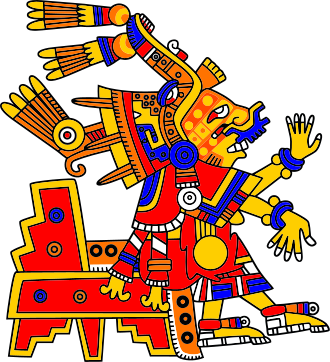
This is the plant helper Theobroma cacao
Everyone sat in a circle, on soft sofas, chairs, the wooden floor, with Stephanie on a yoga mat as the demonstration, Seven led us through letting go and consciousness-expansion. Then came the creamy vegan chocolate and an intention setting exercise, as we placed our intentions into the drink by some shamanic alchemical Dr. Emoto alteration of water by consciousness, as Indian genius Jagadish Chandra Bose (who discovered The Secret Life of Plants) taught was happening all the time as we interact with our environment.
Then we mindfully drank, experiencing the cacao with all six of our senses. Then solid pieces of chocolate were distributed, rich in the alkaloid theobromine, and savored in a way that brought out all its richness -- aware of craving, desire, or grasping arising for flavor and comfort -- so as to make it both delicious, opening to our lives (because this is not a rehearsal for some future time when we'll be alive) and a lesson that mindfulness is possible every waking moment. Meditation is one thing, sitting in a stillness approaching samadhi, and mindfulness is possible once an attitude adjustment makes us aware what we are doing, what we have been doing, and what is possible to do. Rather than abandoning ourselves and the present moment, we can be fully in the moment like a peak experience. We can enjoy all that human life has to offer and not mindlessly cling to it, making ourselves susceptible to misery when it alters, as it certainly will. We can see things as incapable of fulfilling and satisfying us and behave accordingly. We may even glimpse how impersonal it all is. Then we met ourselves with a partner, standing face to face, practicing being present for our experience and being present for another person. Everyone met, embraced, shook hands, introduced themselves to one another. There was a memorial for great vegan Buddhist Alan, who recently passed away, as his caretaker Christina was present. Then more socializing and storytelling took place, having gone up a few levels, as everyone was suddenly on very intimate terms and open with everyone else. It was a meditative, mindful, and gastronomical success.
(Generation Calm) Mindfulness (sati) exercises come no more delicious than mindfully eating chocolate for a "chocolate meditation."
This mindful eating exercise brings our full attention to a piece of chocolate and uses all of our senses to intensify the experience.
Mindful eating is paying attention to the food before, during, and after dining. We have six senses, so we can take notice of:
how it looks,
how it sounds (unwrapping),
how it smells,
how it feels,
how it tastes,
how it is otherwise sensed [by the mind].
Chocolate, of course, has a smell. More than that, it has a texture, as we sense how it feels in our mouth and in hand as it melts.
But perhaps most importantly is the assessment of how it feels throughout the body before and after being taken as food.
Assessing is, of course, NOT the right word. Why? A chocolate meditation is not a taste test, evaluation, or comparison. It is an experience of what is real -- without judgements, concepts, preconceptions, evaluations, measuring, assessing -- as it is experienced with the body.
Mindful eating is associated with weight loss in that it helps us make healthy eating choices to develop healthier habits. Mindfulness helps us notice when we are feeling full and can help stop the rollercoaster ride of dieting and bingeing.
❤ Pick a favorite piece of chocolate and join this 6-minute meditation for a peaceful mindful eating exercise. - Clare
DISCLAIMER: This information should not be used for diagnosing or treating a health condition or disease and is not intended as a substitute for consulting with a physician or healthcare provider.
Generation Calm is where viewers can become masters at reducing stress and anxiety naturally in their own time, so as to keep body and mind feeling great.
Meet the "shaman" using ancient chocolate rituals to revive Mayan traditions
(Still Standing | Business Insider) Oct. 15, 2021: Cacao has been a spiritual symbol for Indigenous people in Mesoamerica and Central America (Olmecs, Maya, and Aztecs) for thousands of years. When the modern European chocolate industry took over, many of the plant's sacred uses were lost. Today, people in Guatemala (the country just south of Mexico) are bringing back the ritual of drinking pure cacao (coffee-like tropical-spice "bitter water"). #StillStanding#Guatemala#Cacao. Both Izaias and Keith sell their cacao online: lavalovecacao.com, keithscacao.com.
Guatemala is interesting because it takes its name from the historical Buddha Gautama and the Indian word for string of beads mala, according to American anthropologist Rick Fields inHow the Swans Came to the Lake: A Narrative History of Buddhism in America. The Buddha did not come to America, but Buddhism arrived before Catholicism, Christianity, or Columbus, apparently getting here in various waves, the most famous of which was, according to American Edward P. Vining (1885) by Chinese and Afghan Buddhist missionaries, as documented in the excellent text An Inglorious Columbus.
Mexican moms make it better, from warm corn tortilla wraps to spicy centers to sweet cocoa.
You're taking our hot xocolatl for your cold European climate? Add chile to make it spicy.
Love potatoes, tomatoes, or chocolates? Thank Indigenous Latin American cultures
West addicted to sugar + caffeine
Some of the best tasting foods out there are indigenous to Latin America, but over the centuries they have become associated with imperialist European countries that stole them.
We thought it was time to set the record straight. Mmm...chocolate! It was invented in Mexico, like most other popular American foods.
Television commercials and magazine ads make it seem that the Swiss or Belgians must somehow be connected to the very origins of chocolate, but the caffeine laced treat's history stretches back millennia to what is now southeastern Mexico.
Whites like Wonka invented chocolate, right?
In fact, Smithsonian Magazine reports that the very word stems from the Aztec xocolatl, which referred to the bitter drink brewed from cacao tree seeds that was often mixed with chilis, special herbs, honey, and flowers.
The liquid (now called "hot cocoa") was beaten into a foam and both inhaled and drunk as part of sacred rituals called cacao ceremonies.
(Unsung History) We take the present-day word "chocolate" from the Mayan word xocolatl, which translates to as "bitter water," and that is an accurate description of the traditional and highly popular everyday Mayan cocoa drink. Aztecs added amendments to the theobromine.
Our pyramids and massive cities are still being found by LiDAR under the jungle canopy.
.
"Chocolate" comes from these fruit seeds.
It's well documented that the drink has been around for 2,000 years, but anthropologists from the University of Pennsylvania say they have found an even earlier use of cacao — the source of modern day chocolate — somewhere between 1400 and 1100 B.C.E.
Ancient pottery discovered in present day Latin American country Honduras indicates that cultures there made a fermented, alcoholic beverage from the sweet pulp of the cacao fruit.
Add spices and sweetness
"Legend has it that the Aztec King Montezuma welcomed the Spanish explorer [Conquistador] Hernando Cortes with a banquet that included drinking chocolate, having tragically mistaken him for a reincarnated deity [deva] instead of a conquering invader," according to Smithsonian.
It makes sense then that the cacao seed or bean made its first appearance in Spain during the mid-1500s. A century later, sweetened chocolate had become a fashionable and expensive commodity across Europe.
Potatoes make fries and mash and pancakes and can be baked and stuffed and added to everything!
So many ways to enjoy potatoes with ketchup
We'll be taking the gold, silver, chocolate, tomatoes, and potatoes. Here's a cross for you.
.
The all-American French fry in raw form
While the humble and hearty potato is inextricably linked to Ireland in many people's minds, the American tubers were first domesticated in present day Peru and Northern Bolivia nearly 8,000 years ago, according to the BBC.
The Inca and other indigenous people consumed potatoes in many of the same ways we do today. But they also commonly made something called chuño, which is made by repeatedly freezing potatoes in the cold Andes night air then thawing them the next day.
Who wants bland chuño when we have tasty xocolatl?
People would squeeze out all of the moisture, which made them light, soft, and juicy and added years to their shelf life.
The preservation process made them perfect for long expeditions and provided security against future bad harvests — both qualities that appealed to the Spanish upon their invasion in the region in 1532.
Chocolate fruit is better than the fatty seeds.
"The invaders took tubers [the underground parts of the plant we call potatoes] across the Atlantic, as they did with other crops such as tomatoes, avocados, and corn, in what historians call the Great Columbian Exchange. For the first time in history, the potato ventured beyond the Americas," the BBC reports.
Since then, the BBC says, the potato has become the world's fourth-most important crop after [the grains or grass seeds] rice, wheat, and [American] maize, starchy potatoes being the first among non-grains.
On the subject of tomatoes...
Euro-Americans find profitable use for tomatoes
What's Italian food without tomatoes?
Yet, like the other foods on this list so far, the thin-skinned fruit (not a vegetable) originated in the Andes Mountains of present-day Peru and Ecuador and is believed to have been domesticated by Mexicans before Columbus, Britannica tells us.
Similarly, the Aztecs would argue that it is neither pronounced \toe-may-toe\ nor \toe-mah-toe\ but rather tomatl.
The Spanish European invaders later translated [taking the -tl at the end of many Aztec words and turning them into -te for the Spanish version or pronunciation of the same words) as tomate as they began exporting the tasty round fruit ball to Europe during the mid-1500s. More
Wait, what about hot chili peppers?
Our space brothers, the "gods" or Star People, helped us find most of these delicacies like Theobroma cacao or cocoa beans to make chocolate.
.
They also gave us this cosmic calendar.
To clarify, what we Americans call "chocolate" comes from the Aztec word xocolatl, via the Spanish chocolate (\cho-koh-la-teh\). The Latin binomial of the tree seed used in cocoa is Theobroma cacao, which literally translates as "chocolate, food of the gods." Who were the "gods"? They were devas, visitors from the sky or space (possibly from the hollow earth and Aztlan) coming down and really developing a taste for this sweetened bitter seed. We have to give heaven/space credit.
WARNING: According to Dr. Steven Gundry, tomatoes, potatoes, bell peppers, chiles, eggplants, tobacco, and such plants are nightshades and should be avoided because of the plant lectins they contain.
These are irritants to the body, as the plant uses them to protect itself from consumption. The worst plant lectin is gluten found in wheat, barley, rye, oats, and buckwheat (which contain avenin, gliadin, and fagopyrins that are even more detrimental than wheat gluten, a gluey protein that wipes out the cilia in the intestinal tract and leads to malabsorption of food, skin irritation, and uncomfortable problems. (See criticalhealthnews.com and the work of Dr. Joel Wallach). One need not have celiac disease to be harmed by gluten. In fact, the gluten problem is much worse for everybody now due to Big Agra (industrial agriculture) breeding plants with more and more gluten, which is a squishy and binding in ways our mouths have been made to crave.
Even corn is not what it used to be. It was regarded as a famine food and, back then, was much smaller and much more natural. It is now a Frankenfood due to the meddling of American corporations like Monsanto and Bayer Pharmaceuticals. Many of these foods are high in starch, which is quickly converted into sugar leading to diabetic problems. It is far better to decolonize the diet to pre-Columbian days, when the Indigenous people were largely vegetarian and vegan and living in mythical Fusang, having come from the hollow earth world of Aztlan. This is a good book for popular California pre-Spanish foods. Eat in moderation, move your body regularly (yoga, walking, swimming), and find the real plants the Native Americans ate: amaranth, raw agave, medicinal and culinary herbs, quinoa, purslane (verdolagas), the Three Sisters using various corn plants of other colors, and so on. More than anything, enjoy it.
Some like it dark and bitter, others smooth and sweet, but no matter what the flavor preference on World Chocolate Day, July 7th, be careful when taking a bite. The cacao bean (burnt fruit seed), which is responsible for that unmistakably rich flavor we know and love so well, is native to Mexico as well as South- and Central America. But it has been transplanted into the USA and some European countries to match the high consumer demand for it as a decadent delicacy. Whether it’s used to coat other candies and nuts, melted over fruit, or shaven over a gourmet dessert, chocolate and all the sugar that comes with it is often addictive and bad for health, filled as it is with oxalates. Around 1 billion people around the world eat chocolates every day. Besides its craveable taste, it has tons of health benefits. Although chocolates are recognized as body fattening and artery clogging, amazingly they can also aid weight loss and help maintain weight if consumed moderately as bitter dark chocolate. On Valentine’s week, mimicking the chemicals it does, chocolate is thought of and sold as the food of love.
It is the Mexican/Native American DAY OF THE DEAD celebration, when the veil between the Planes of Existence in Buddhist cosmology is thinnest, when the "Realm ofHungry Ghosts" spills over, when the deceased visit relatives and their former lives.
It is also an opportunity to acknowledge our most unsavory qualities, the ones we hide most of the year. Transparency is better. No skeleton can stay hidden. Special remembrance meditation. Bring vegan snacks/drinks to share. Wear a sexy or scary costume (maybe a face mask from the 99 cent store).
We'll serve hot cocoa (chocolatl), sweet chocolate, cookies, candies, desserts, and savory plant-based TACO dishes. Hugs (optional). All welcome. FREE/by donation.
All materials on this site are submitted by editors and readers. All images, unless otherwise noted, were taken from the Internet and are assumed to be in the public domain.
In the event that there is still a problem, issue, or error with copyrighted material, the break of the copyright is unintentional and noncommercial, and the material will be removed immediately upon presented proof.
Contact us by submitting a comment marked "private."
Do not follow this journal if you are under vinaya or parental restrictions. Secure protection by Sucuri.
Wisdom Quarterly: American Buddhist Journal is licensed under a Creative Commons Attribution-Noncommercial-Share Alike 3.0 United States License. Permissions beyond the scope of this license may be available at creativecommons.org/about/licenses.