.
Given the ongoing popularity of
Taylor "Nazi Barbie" Swift, we have to wonder,
What gives rise to popularity? Is it luck, chance, good looks, fortunate genes, rich parents, passing trends, a good childhood, totally random events inconceivable and innumerable?
No. It turns out the Buddha specified exactly what it is that gives rise to personal popularity. It is
KARMA (deeds, actions). But what karma?
He mentions the
Four Bases of Popularity in a fragment in the "Advice to Householders" Sutra (
Sigalovada Sutta), a discourse that was apparently cobbled together by monastics to teach all the important things householders were interested in, but something is missing there, as the summary verse contains what was not mentioned (or preserved) in the text as handed down by oral tradition.
30. The Marks of the Superman
(Chapter 1) Thus have I heard. The Exalted One was once staying near the City of Sāvatthī, in the Multi-Millionaires’ Park, the Jeta’s Grove.
There the Exalted One addressed the meditators:
"Meditators!"
"Yes, venerable sir?" they replied.
The Buddha then said:
"There are
32 Special Marks of a Great Man [
Übermensch], meditators, and for the Superman possessing them, two careers are open and none other. If he lives the life of a householder, he becomes a world-monarch, Turner of the Wheel, a righteous Ruler of the Good, Ruler of the Four Quarters, Conqueror, Guardian of the People’s Good, Owner of the Seven Treasures. His do those seven treasures become, that is:
- the Wheel treasure,
- the Elephant treasure,
- the Horse treasure,
- the Gem treasure,
- the Woman treasure,
- the Housefather treasure,
- the Adviser treasure making the seventh.
 |
| The Future Buddha will be a Central Asian royal, too. |
"More than a thousand sons will be his -- heroes, champions, vigorous of frame, crushers of the hosts of the enemy. He, when he has conquered this earth to its ocean bounds, establishes himself not by the scourge, not by the sword, but by righteousness.
"But if such a person as a boy goes forth from the life of the householder into the Left-Home Life, he becomes a fully enlightened person (Arahant), a Supreme Buddha, rolling back the veil [of benighted ignorance] from the world.
"And what, meditators, are the 32 Marks of the Superman, wherewith endowed two careers are open to him and none other? That of a World Monarch, Turner of the Wheel…[or] that of a Supreme Buddha?
 |
| Like the body of Avalokiteshvara |
(1) He has feet with level tread. That this is so counts to him as one of the marks of the Superman.
(2) Moreover, beneath on the soles of the feet, wheels appear with a thousand spokes, with tire and hub, in every way complete and well divided. That this is so counts to him as one of the marks of the Superman.
(3) He has projecting heels. That this is so...
(4) He is long in the fingers and toes.…
(5) Soft and tender in hands and feet.…
(6) With hands and feet like a net.…
(7) His ankles are like rounded shells.…
(8) His legs are like an antelope’s.…
(9) Standing and without bending he can touch and rub his knees with either hand.…
(10) His male organs are concealed in a sheath.…
(11) His complexion is like bronze, the color of gold.…
(12) His skin is so delicately smooth that no dust cleaves to his body.…
(13) The down on it grows in single hairs one to each pore.…
(14) The down on his body turns upward, every hair of it, blue-black (nila) in color like eye-paint, in little curling rings, curling to the right.…
(15) He has a frame divinely straight.…
(16) He has the seven convex surfaces.…
(17) The front half of his body is like a lion’s.…
(18) There is no furrow between his shoulders.…
(19) His proportions have the symmetry of the banyan-tree: the length of his body is equal to the compass of his arms, and the compass of his arms is equal to his height [bodily symmetry].…
(20) His bust is equally rounded.…
(21) His sense of taste is supremely acute.…
(22) His jaws are as a lion’s.…
(23) He has 40 teeth.…
(24) Regular [straight] teeth.…
(25) Continuous teeth.…
(26) The canines are very lustrous.…
(27) His tongue is long.…
(29) His eyes are intensely blue.…
 |
| The beautiful body of Kwan Yin |
(30) He has eyelashes like a cow’s.…
(31) Between the eyebrows appears a hairy mole (
urna) white and like soft cotton down. …
(32) His head is like a royal turban.…
These, meditators, are the 32 Marks of the Superman, wherewith endowed he has two careers that are open to him and none other, that of the World Monarch of the Wheel and that of a Supreme Buddha. …
"And seers not of our school (Teaching, Dharma, Doctrine-and-Discipline), meditators, are acquainted with these Marks [of a Great Man], but they know not for what deeds (karma) done any one of these Marks is acquired.
Whereas in whatever former birth, former state of becoming, former sojourning (past life), meditators, the
Tathāgata (the Buddha referring to himself), then being human, took on mighty enterprise in all good things, took on unfaltering enterprise in seemly courses of conduct in deed and word and thought —
- in dispensing gifts,
- in virtuous undertakings,
- in keeping of festivals,
- in filial duties to mother and to father,
- in pious duties to wandering ascetics and temple priest (recluses and Brahmins),
- in honor to the head of the house
- and in other such things of lofty merit —
by the doing and by the accumulating of that karma, by the mass and the abundance thereof, he when the body perished was after death was reborn in a bright and blessed [
deva] world.
"There was he endowed with a larger measure than other devas in ten matters, that is, in
- celestial years of life,
- beauty,
- happiness,
- glory [streaming light],
- dominion,
- sights,
- sounds,
- scents,
- tastes, and
- touches (tactile sensations).
"Passing from there and attaining life as you know it, he acquires this Mark of the Superman, that is: feet with level tread, evenly placing his foot upon earth, evenly drawing it up, evenly touching earth with the entire surface (sole) of the foot.
"He, endowed with this mark, if he dwells in the household life, becomes a World Monarch, Turner of the Wheel.… Conquering not by the scourge [cudgel], not by the sword [force], but by righteousness, he presides over this earth to its ocean-bounds, an earth void of barrenness, pitfalls, or jungle, mighty, prosperous, secure and fortunate and without blemish.
"As World Monarch, what does he get? He is not liable to obstruction from any human foe with hostile intent. As World Monarch this he gets. If he leaves the household life for the Left-Home Life [renouncing the world for the spiritual life of a wandering ascetic], he becomes an Arahant (arhat, fully enlightened), a Supreme [Teaching] Buddha, rolling back the veil of the world.
"As the Buddha what does he get? He is not liable to obstruction from any foe or adversary within or without -- out of lust or hate or delusion -- whether a recluse or Brahmin or deva or a māra or a brahmā [light being, tempter/ogre, or divinity], or anyone in all the world. As the Buddha this does he get.
This was the matter spoken of by the Exalted One. Concerning it, this was said [in verse as a summary of those statements]:
With heart intent on speaking truth,
On righteous ways and self-restraint,
Curbing sense and of conduct pure,
On virtue’s hearth and sacred feast,
On open hand and gentle life,
Harming no creature, shunning force —
So fared he ever and a day,
And high resolve upon him took.
He by that karma passed to heaven(s)
To share in bliss and ravishment;
Then when he fell, reborn as human,
Lo! ‘twas with even-treading feet
He came and touched the lap of earth.
[Psychic] interpreters together met
Declared: No obstacle can rise
For him who treads with level foot.
Dwell he among the laity,
Or leave the world as Wanderer,
This does that sign betoken clear.
If of the House a dweller he,
Unhindered shall he hold his way,
By foemen; he shall overcome
All others, he shall rout the foe.
No human power can bid him stay,
So works in him his Karma’s fruit.
Or if, so treading, he does fare
Forth from the world as Wanderer,
With vision clear and wholly fain
Worldly ambitions to forswear,
Chief among humans, and peerless he
Never i’ faith comes back to rebirth.
 |
| Reborn on earth, the Future Buddha |
Whereas in whatever former rebirths, former states of becoming, former sojourns, meditators, the Tathāgata, then being human, lived for the weal of the great multitudes, dispeller of dread and of panic, purveyor of just protection and wardenship and giver of supplies, he, by the doing and by the accumulating of that karma, by the mass and the abundance thereof, was when the body perished reborn after death in a bright and blessed [deva] world.…
"Passing from there and attaining life as you know it, he acquires this mark of the Superman, that is: beneath on the soles of his feet wheels appear, thousand-spoked, with tire and hub, in every way complete and well divided.
"Endowed with this Mark, if he dwells in the household life, he becomes a World Monarch, Turner of the Wheel.…
"As World Monarch what does he get? He has a great retinue; many are they who surround him —Brahmin householders, townspeople, and country folk, treasury officials, bodyguards, warders, ministers, courtiers, tributary kings, feudatories in chief, and youths of high degree.
"As World Monarch this does he get. If he leaves the Household Life for the Left-Home Life, he becomes … a Supreme Buddha. … As a Buddha what does he get? He has a great retinue; many are they who surround him: monks and nuns, laymen and laywomen, devas [unseen light beings] and humans, asūras, nāgas, gandhabbas [demigods, mighty creatures/reptilians, messenger-devas]. As the Buddha this does he get.
This was the matter spoken of by the Exalted One. Concerning it, this was said [in verse, in summary] —
In bygone years, in earlier births,
As human, to many bringing weal,
Dispelling dread and quaking fear,
Zealous to ward, to shield, to fend,
He by that Karma passed to heaven(s)
To share in bliss and ravishment.
Thence when he fell, reborn as human,
Wheels upon his two feet are found,
With tire complete and thousand spokes.
[Psychic] interpreters together met
Declared when they beheld the boy
With marks of merit, hundredfold:
Ever surrounded will he be
By defenders, foe-subduer he;
For lo! The wheels with tires complete.
If, bearing these, he fares not forth
As Wanderer, he turns the Wheel
And rules the earth, where princes all
And nobles yield him fealty,
Attending him, the mighty one.
And if, so marked, he forth does fare
Leaving the world as Wanderer
With vision clear and wholly fain
Worldly ambitions to forswear,
Devas and humans and demons all,
Asūras, Sakkas, Rakkhasas,
Nāgas, Gandhabbas. Garudas,
[Demigods, Archangels, Ogres,
Dragons, Angels, Avians,]
Four-footed beasts, all on him wait —
Peerless, by devas and humans
Revered, so great and glorious he.
Whereas in former births, former states of becoming, former sojourns, meditators, the Tathāgata, then being human, setting aside the taking of life, refrained therefrom and laying the scourge and sword [whip and deadly weapons] aside, dwelled gentle and compassionate, merciful and friendly to all living creatures, he by the doing and by the accumulating of that karma, by the mass and the abundance thereof, was when the body perished reborn after death in a bright and blessed world. …
"Passing from there and attaining life as you know it, he acquires these three marks of the Superman, that is: he has projecting heels, has long fingers and toes, and as to his limbs is divinely straight.
"Endowed with these Marks, if he dwells in the Household Life, he becomes World Monarch, Turner of the Wheel. …
"As World Monarch, what does he get? Long-lived is he, long does he last, for many years does he preserve his life; no enemy whatever born human is able in that interval to take his life.
"As World Monarch this does he get. If he…becomes a Supreme Buddha, … as the Buddha what does he get? Long-lived is he, long does he last, for many years does he preserve his life; no enemy whatsoever, no foe, be it a recluse or a Brahmin, or deva or a māra or a brahmā or anyone in the whole world is able in that interval to take his life. As the Buddha this does he get.
This was the matter spoken of by the Exalted One. Concerning it, this was said:
Death’s dreadful havoc well he felt
And fellow creatures shunned to slay.
Through such good ways to heaven he came,
Of things well done enjoyed the fruit.
Passing, and hither come once more,
As man these Marks are on him seen:
Full long of heel is he reborn,
And like
Brahma divinely straight,
Lovely to see, fair shaped of limb.
Of shapely arms and tender skin,
Goodly to see, proportioned well,
Tender and soft his finger’s touch.
By those three marks of man supreme
They tell the boy long-lived will be.
If a layman he grow to be,
Long years his life will be maintained,
And longer yet if from the world
He goes forth as Wanderer,
Lord over self, life he maintains
To practice saintly gifts and power.
Wherefore ’tis said those three marks be
The token of longevity.
 |
| Yes, King, how well I know the royal life. |
"Whereas in whatsoever former birth, former state of becoming, former sojourns, meditators, the Tathāgata then being human, became a giver of choice, well-flavored, tasty, dainty foods, both hard and soft, and drinks, he by the doing and by the accumulating of that karma, by the mass and the abundance thereof, was when the body perished reborn after death in a bright and blessed world. …
"Passing from there and attaining life as ye know it, he acquires this Mark of the Superman, that is: He has the seven convexes. Seven are these: on both hands, on both feet, on both shoulders, and on the trunk.
Endowed with this mark, if he dwells in the Household Life he becomes a World Monarch, Turner of the Wheel. … As Monarch what does he get? Choice well-flavored food, tasty dainty drinks. As World Monarch, this does he get. If he…becomes the Buddha…being the Buddha, what does he get? Choice well-flavored food, tasty dainty drinks. As Buddha this does he get.
This was the matter spoken of by the Exalted One. Concerning it, this was said:
Giver was he of diverse foods,
And essences peerless in taste.
Through seemly act, in Nandana
Celestial grove, he revelled long.
On earth arrived, the sevenfold swell
He bore, on softly rounded limbs.
And skilled diviners then declared,
Fine food and drink would be his lot.
Nor for the layman’s life alone
Was clearly there the token shown,
Even if he as Wanderer
The world forsook, they said, that he,
Cleaving all layman’s bonds, e’en then
Foremost in gifts of food would be.
The Bases of Popularity
 |
| Wait, males can be superhumans (Übermensch), too, not just Superwoman? |
Whereas in whatever former rebirth, former state of being (becoming), former sojourn, meditators, the Tathāgata, then being a human,
became popular among the people, he did so by the [accumulated karma of constantly practicing the]
Four Bases of Popularity, that is to say, by:
- giving,
- kind speech,
- sagacious conduct,
- impartiality.
 |
| Growing in fame and popularity all the time |
By the doing and by the accumulating of that karma, by the mass and by the abundance thereof, when the body perished, he was reborn after death in a bright and blessed [
deva] world.…
 |
| Maybe I meditate, too (deviantart.com). |
Passing from there and attaining life as you know it, he acquired these two marks of the Superman, that is, soft and tender hands and feet, and the hands and feet (reticulated) like a net. CONTINUED IN PART II
What about race and white racism?
 |
| The eight spokes or arms of the Buddha's Path |
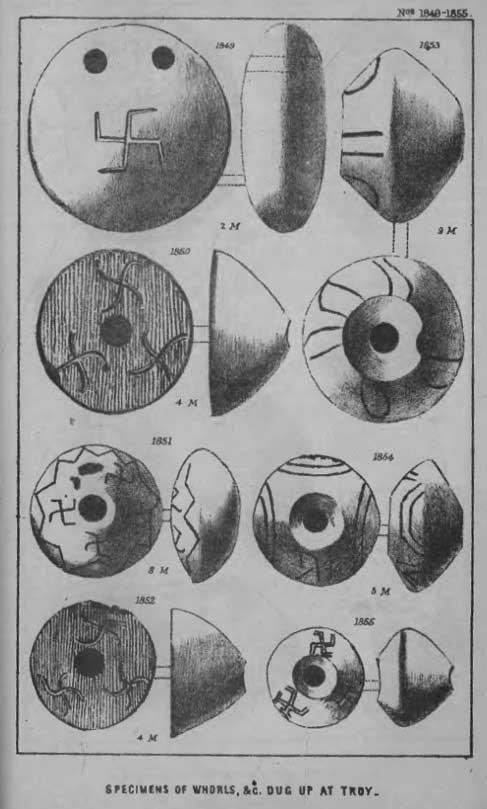
They were appropriated by Nazi Chief Propagandist Goebbels, who took ideas such as that of a
The wheel in the Buddha's Dharma (Doctrine), represented by a multi-spoked "Wheel of the Law" (tied to the originally good
swastika, representing the sun or an esoteric energy called
Vril).
 |
| New Theosophists used these symbols, too |
In it the Buddha is portrayed as proclaiming himself a member of the "solar race." That the Nazis took many of these Buddhist ideas and used them for nefarious purposes as part of their esoteric and occult beliefs (as Eastern philosophy and Buddhism in particular was entering the German New Age zeitgeist at the time because of Western (predominantly British and German) translations of texts is a great pity. Even the Nazi's politicized use of the expression "the final solution" is an echo of nirvana, the resolution of all suffering.
It's not an accident and not Buddhism's fault. The Nazis became very interested in occult lore, supernatural items of many religions, and ancient stories of humanity to construct their philosophy and justify their activities.


%20wiki,%20cropped,%20head%20only,%20Wisdom%20Quarterly.jpg)


%20wiki.jpeg)