|
| 1984: The Graphic Novel |
"War is Peace * Freedom is Slavery * Ignorance is Strength."
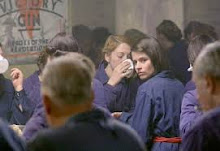
In 1984, London is a grim city in the totalitarian state of Oceania where Big Brother is always watching citizens and the Thought Police can practically read minds with their constant surveillance.
 |
| What is this, a comic book, pulp fiction? |
Drawn into a forbidden love affair with Junior Anti-Sex League beauty Julia, Winston finds the courage to join a secret revolutionary organization called the "Brotherhood," dedicated to the destruction of the totalitarian Party.
Together they hazard their lives in a deadly match against the powers that be -- having sex to stick it to the State.
With evocative, immersive art from Fido Nesti, this vision of George Orwell’s dystopian masterpiece provides a new perspective for longtime fans but is also an accessible entry point for young readers and adults who have yet to discover the iconic story that is still so relevant today (and growing more relevant under Trump and cellphone technology).
- 1984: The Graphic Novel: (Authorized Orwell Edition) by George Orwell, adapted and illustrated by Nesti, Fido
- George Orwell | 1984: The Graphic Novel | Elephant Bookstore
- Fido Nesti, George Orwell, hmhbooks.com; Pfc. Sandoval, Seth Auberon, Ashley Wells (eds.), Wisdom Quarterly